The Psychology of Spending: Why We Buy What We Don't Need

Not financial advice — educational only.
Most of us have a version of the same story: a rough afternoon, a phone in hand, and twenty minutes later a confirmation email for something we didn't need and can't quite remember deciding to buy. It rarely feels like a mistake in the moment. It feels like relief.
That gap — between how good spending feels and how little we actually needed the thing — is where the psychology of spending lives. Our purchasing decisions are shaped less by careful math than by mood, biology, other people, and pricing tricks engineered to nudge us. The good news is that once you can name the levers being pulled, they lose a lot of their grip.
This article walks through the main behavioral drivers of overspending, the evidence behind each, and closes with practical tactics to spend more deliberately.
Emotions are the engine, not the exception
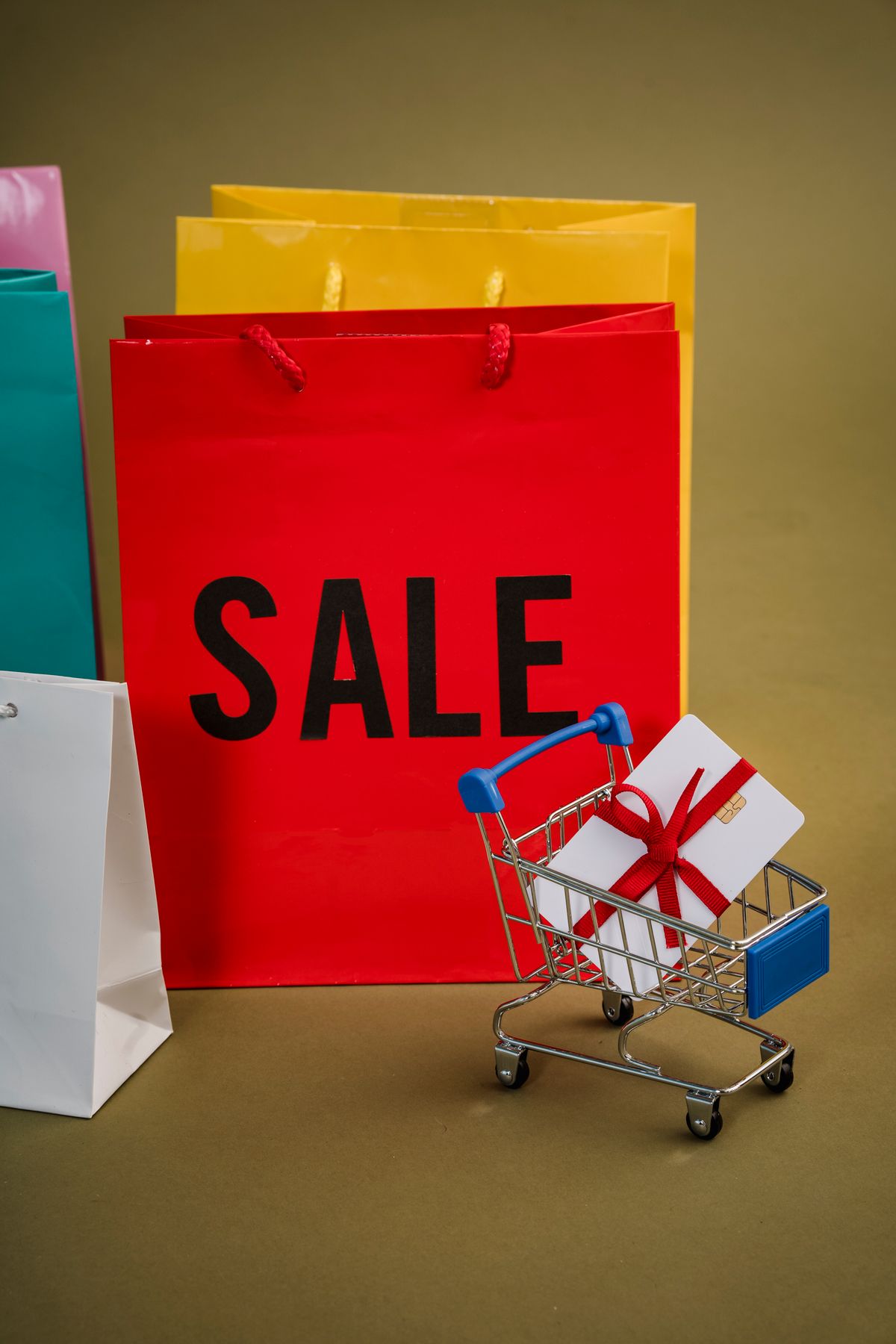
The idea that we shop to feel better is not folk wisdom — it shows up plainly in the data. In a 2024 LendingTree survey of nearly 2,000 U.S. adults, 69% said their emotions have influenced their spending, and 39% of those emotional spenders said it pushed them into debt. Among emotional spenders, the top triggers were stress (50%), excitement (44%), and happiness (38%) — meaning both bad days and good ones open the wallet.
"Retail therapy" earns the name because a purchase delivers a small, reliable hit of control and novelty exactly when we feel we have neither. The relief is real, but it's short-lived, which is precisely what makes the behavior easy to repeat. The volume adds up: by one estimate the average consumer spent roughly $254 a month on impulse buys in 2025, and later 2026 figures put monthly impulse spending even higher, near $318.
The dopamine misunderstanding
Dopamine is often described as the "pleasure chemical," but the research points to something more useful to know: it's mostly about anticipation. Neuroscientist Brian Knutson's fMRI work found that simply viewing a desirable product lights up the nucleus accumbens, a brain region tied to anticipated reward, while seeing an off-putting price activates the insula (associated with pain). Strikingly, that brain activity predicted whether people bought better than their own stated intentions did.
The takeaway: the strongest surge of "want" happens before you own the item — in the scrolling and the imagining. The purchase itself often can't live up to that anticipation, which is why buyer's remorse is common and the next craving arrives so quickly.
Other people are in the shopping cart with you
Humans are relentlessly social, and spending is one of the ways we track our standing against everyone else. Social comparison — the old "keeping up with the Joneses" — used to be limited to the neighbors. Now it's a feed refreshed every few seconds, curated to show peak moments and new purchases.
The effect is measurable. Bankrate found that 48% of social media users have impulsively bought a product they saw on a platform, and roughly two-thirds later regretted at least one of those buys. More than half of users said social media promotes unrealistic lifestyles — the exact conditions that manufacture fear of missing out (FOMO). When a purchase promises to close the gap between your ordinary Tuesday and someone else's highlight reel, the urgency feels personal even though it was designed at scale.
Some of this spending is also signaling: brands act as shorthand for status, taste, or success. That's not irrational — belonging matters — but it's worth noticing when a purchase is really for you versus for the audience you imagine watching.
The tricks built into the price tag
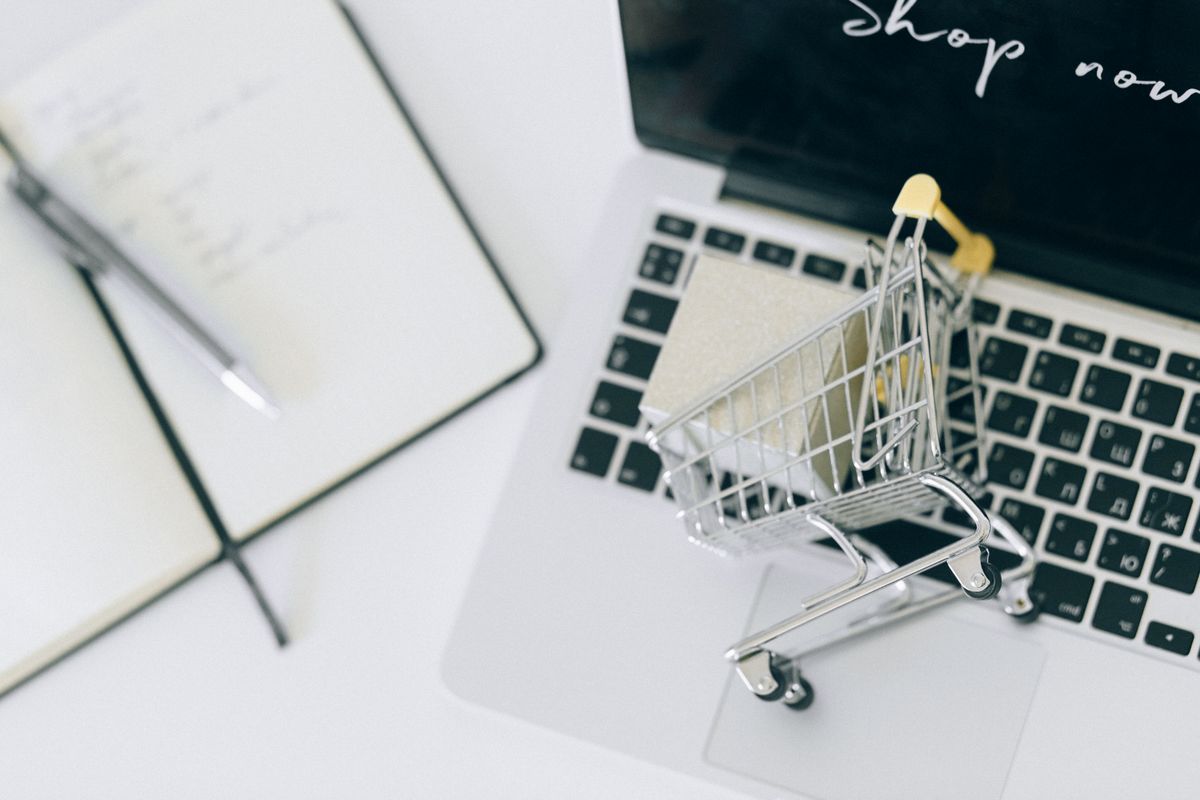
Marketers don't have to invent our biases; they just have to know where they are. A handful of well-documented tactics do most of the heavy lifting.
Scarcity and loss aversion
"Only 2 left" and "sale ends tonight" work because of loss aversion, a cornerstone of the behavioral economics developed by Daniel Kahneman and Amos Tversky: losses loom larger than equivalent gains, so we're wired harder to avoid missing out than to pursue a benefit. A countdown timer reframes a discretionary purchase as a loss you must act now to prevent.
Anchoring
The first number you see quietly sets the reference point for everything after. As the St. Louis Fed explains, a "was $200, now $120" tag makes $120 feel like a win regardless of what the item is actually worth. The strikethrough price is the anchor; the "deal" is measured against it, not against your budget.
The decoy effect
Dan Ariely's well-known experiment offered a magazine subscription three ways: online-only for $59, print-only for $125, and print-plus-online also for $125. Almost nobody wanted print-only — it existed to make the combo look like a steal, and it worked. Remove that useless middle option and choices flipped toward the cheaper plan. When you see three tiers and the middle one seems oddly unattractive, you may be looking at a decoy engineered to steer you to the priciest tier.
Why swiping hurts less than paying
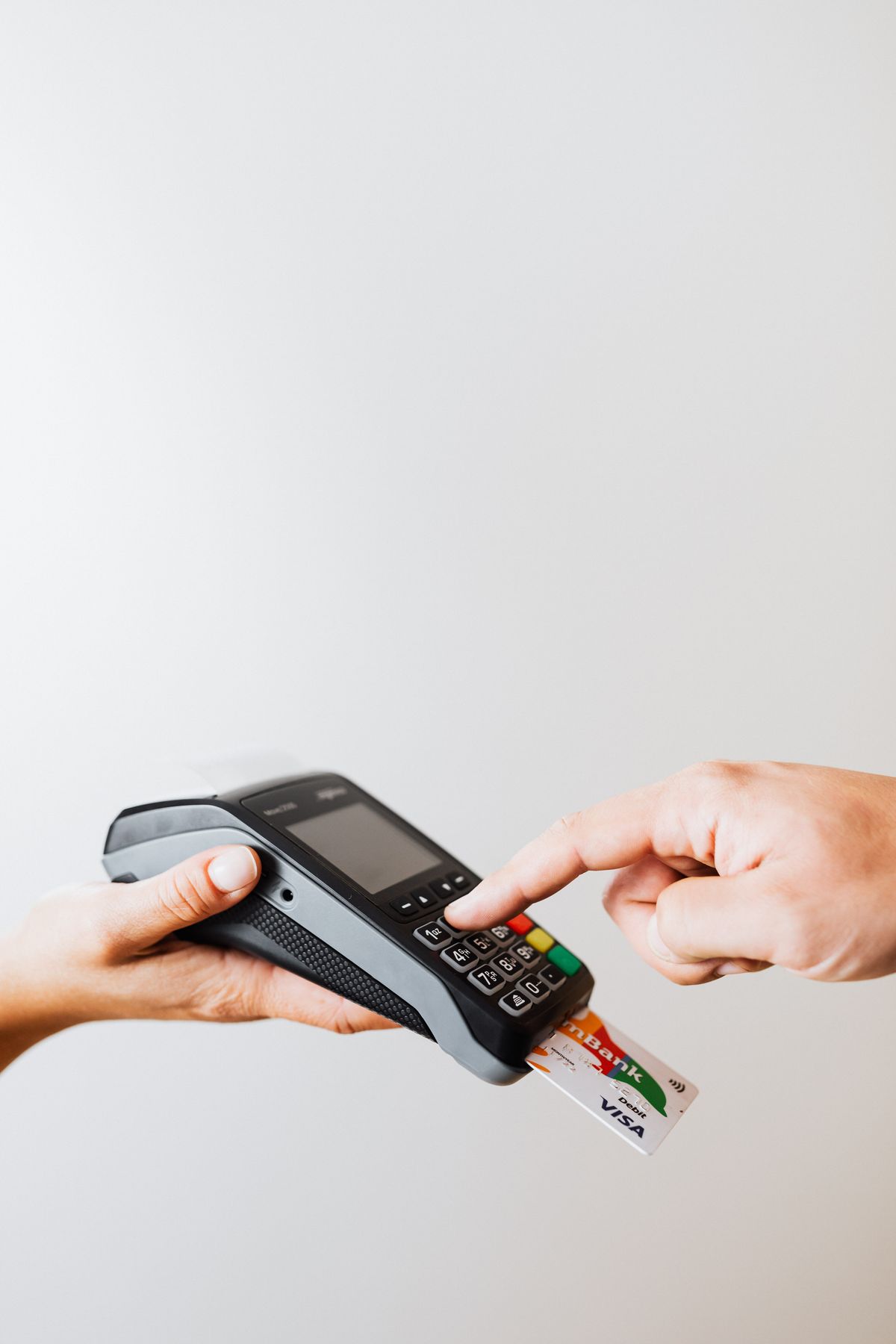
Handing over cash stings a little. Economists Drazen Prelec and George Loewenstein named this the "pain of paying" — a genuine, if small, psychological cost that acts as a natural brake on spending. The problem is that modern payment methods are engineered to numb it.
The mechanism is decoupling: the more you separate consumption from payment, and the less visible the money leaving your account, the weaker the pain. A tap of a card or phone omits the act of counting out bills, so the outflow barely registers. Research consistently finds people spend more paying by card than by cash — the so-called credit-card premium.
Buy Now, Pay Later (BNPL) takes decoupling to its logical extreme: enjoy the item today, pay in four installments later, often with no upfront interest. That frictionlessness has fueled explosive growth. In its market analysis, the Consumer Financial Protection Bureau reported that lenders originated 335.8 million BNPL loans worth $45.2 billion in 2023, with 53.6 million consumers using the loans. The CFPB also found the majority of BNPL users have subprime or deep-subprime credit and that many carry several BNPL loans at once — a reminder that "painless" payments can quietly stack up into very real debt.
Key takeaways
- Emotion drives spending — 69% of Americans say feelings sway their purchases, and stress fuels it as much as celebration.
- The dopamine hit is in the wanting, not the owning, which is why anticipation beats the actual purchase and cravings return fast.
- Social feeds manufacture FOMO; roughly half of users have impulse-bought from social media and most regretted it.
- Scarcity, anchoring, and decoy pricing exploit documented biases — recognizing them defuses them.
- Cards and BNPL dull the "pain of paying," so you spend more without noticing; slowing payment down restores the friction.
How to spend mindfully
Mindful spending isn't about deprivation. It's about making the deliberate choice louder than the automatic one. A few evidence-aligned tactics:
Add friction back on purpose
Delete stored card details, log out of one-click checkouts, and keep a single "fun money" account you actually watch drain. Anything that reintroduces the pain of paying — even paying with a debit card or cash for discretionary buys — pushes decisions back toward conscious.
Use a waiting period
Impose a 24-hour (or 72-hour for bigger buys) rule on anything non-essential. Because the dopamine surge is front-loaded in the anticipation, the urge usually fades once you sleep on it. Move the item to a wishlist instead of the cart and revisit later; most of the time the craving is gone.
Name the trigger before you buy
Pause and ask what you're actually feeling — bored, anxious, envious after scrolling, or genuinely in need. If it's an emotion, a walk, a message to a friend, or literally anything else often resolves it more cheaply. Labeling the feeling is enough to reengage the rational part of the decision.
Spot the sales tactic
When you see a countdown clock, a slashed "original" price, or a suspiciously unappealing middle option, say the tactic's name to yourself — scarcity, anchor, decoy. Recognition alone weakens the pull, because these tricks work best in the dark.
Give every dollar a job first
The most durable defense is a plan you set before the temptation arrives. A written budget turns "can I afford this?" into a question with an actual answer. If you're starting out, our six-step guide to building a budget that sticks and these free budget templates make it concrete. It also helps to separate your inflexible expenses from discretionary ones so you know exactly how much "want" money is genuinely yours to spend.
Frequently asked questions
Is impulse buying always a bad thing?
No. An occasional small, affordable treat can genuinely improve your mood and isn't worth agonizing over. It becomes a problem when it's frequent, emotionally driven, funded by debt, or leaves you with regret. The goal is awareness, not zero spontaneity.
Why do I spend more with a card than with cash?
Cards reduce the "pain of paying." A physical handover of cash makes the loss visible and immediate, while a tap or swipe hides the outflow and delays it, so spending barely registers. Studies consistently show people are willing to pay more when using cards — sometimes substantially more — for the same item.
Does Buy Now, Pay Later actually lead to overspending?
It can. BNPL removes upfront friction and splits the cost into small "painless" installments, which can encourage bigger purchases and stacking multiple loans. The CFPB has found many BNPL users carry several loans at once and skew toward subprime credit. Used deliberately for a planned purchase it's a tool; used impulsively it's a debt trap.
How does social media make me want to buy things?
It supercharges social comparison and FOMO by showing a nonstop stream of curated purchases and lifestyles, then places shoppable products one tap away. Nearly half of users have impulse-bought from a feed, and most later regretted it. The urgency feels personal but is engineered.
What's the single most effective habit for spending less?
A cooling-off period. Waiting 24 to 72 hours on non-essential purchases lets the anticipation-driven urge fade, and most cravings simply disappear. Pair it with a budget so the decision has a real limit to bump against.
Are "limited time" and scarcity offers ever legitimate?
Sometimes — genuine seasonal sales and real stock limits exist. But scarcity messaging is also a common manufactured pressure tactic that exploits loss aversion. Treat any countdown as a prompt to slow down and ask whether you'd want the item without the timer.